
Phoenix Property Records
Phoenix property records give you access to deeds, mortgages, liens, and other land documents for properties in Arizona's capital city. As the largest city in the state, Phoenix sits entirely within Maricopa County. This means the Maricopa County Recorder's Office handles all property recording for Phoenix addresses. The city itself does not record deeds or property transfers. However, Phoenix provides planning, zoning, and permit resources that complement the official recorded documents at the county level. Whether you need to verify ownership or research a property's history, understanding both the county and city systems helps you find what you need.
Phoenix Quick Facts
Where Phoenix Property Records Are Filed
Phoenix property records are filed at the Maricopa County Recorder's Office in downtown Phoenix. The main office is at 301 W Jefferson St, Suite 200. You can call them at (602) 506-3535. Office hours are Monday through Friday from 8:00 AM to 5:00 PM. No appointment is needed to record documents in person.
The county recorder handles all deeds, mortgages, deeds of trust, liens, releases, and other property documents for Phoenix addresses. Over 50 million documents dating back to 1871 are searchable online through the Maricopa County document search portal. This database covers Phoenix and every other city in Maricopa County.
Recording a deed in Phoenix costs $30 per document. This flat fee applies to most standard documents. If your deed transfers property for value, you must also include an Affidavit of Property Value or list an exemption code. The recorder will reject documents without this form. Common exemptions include transfers between spouses and certain family trust transactions.
Note: The Phoenix city government does not record property documents or maintain deed records.
Phoenix Planning and Development
While property recording happens at the county, the city handles planning and zoning. The Phoenix Planning and Development Department manages building permits, zoning requests, and land use planning within city limits. Their office is at 200 W. Washington St., 2nd Floor. You can reach them at 602-262-7811 or by email at pdd@phoenix.gov.
The city's planning portal shows zoning and development information through the Phoenix Zoning Map. This interactive tool lets you search any address to see its zoning classification, overlay districts, and nearby land uses. The zoning map is free to use and updates regularly. Property buyers often check zoning before purchase to verify what can be built on a lot.
Phoenix uses a zoning code that divides the city into residential, commercial, industrial, and mixed use districts. Each district has rules about building height, lot coverage, setbacks, and allowed uses. Before starting a construction project, you need to confirm your plans match the zoning for your property. If they do not match, you may need a variance or rezoning approval from the city.
Phoenix Property Resources Online
The Phoenix Planning and Development website provides information about permits, zoning, and development services.
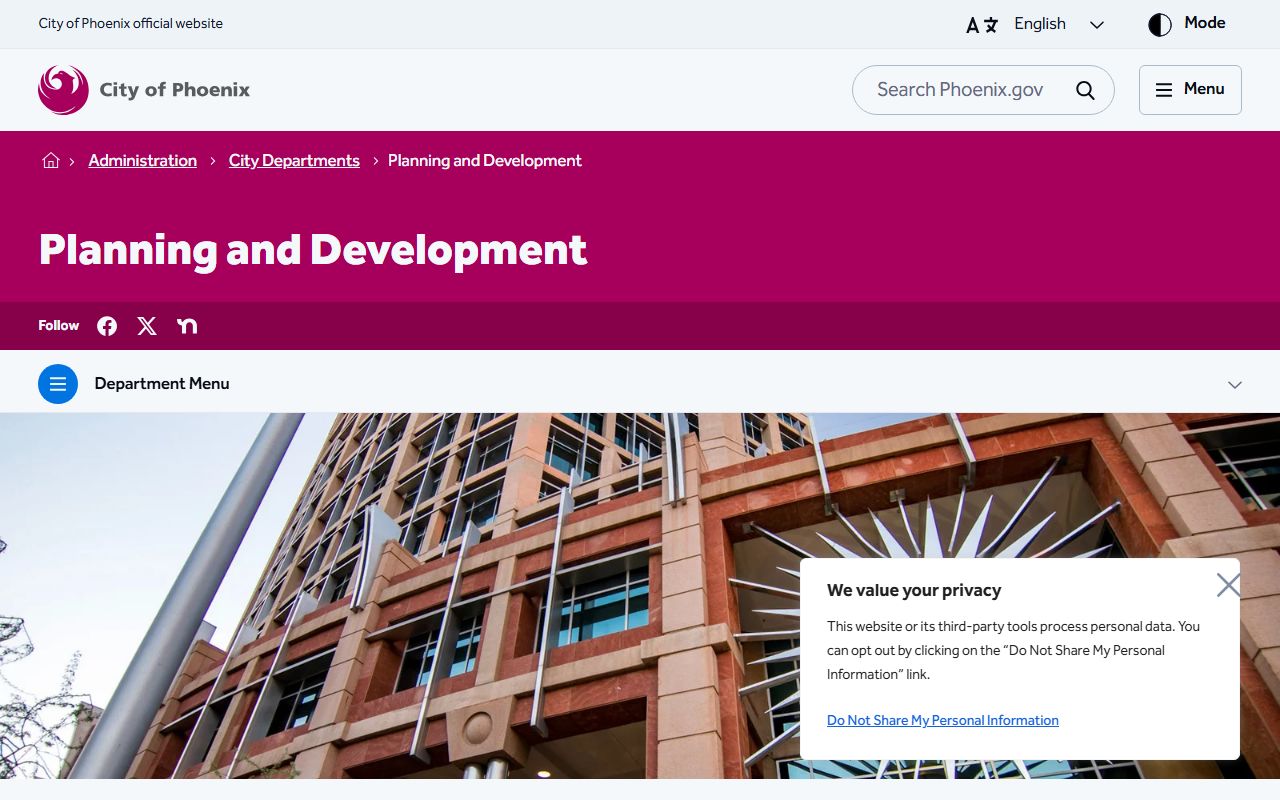
From this page you can access permit applications, check project status, and find contact information for various planning divisions. The site also has guides for homeowners planning renovations or additions to their properties.
For zoning research, the Phoenix Zoning Map shows parcel boundaries and zoning designations across the city.
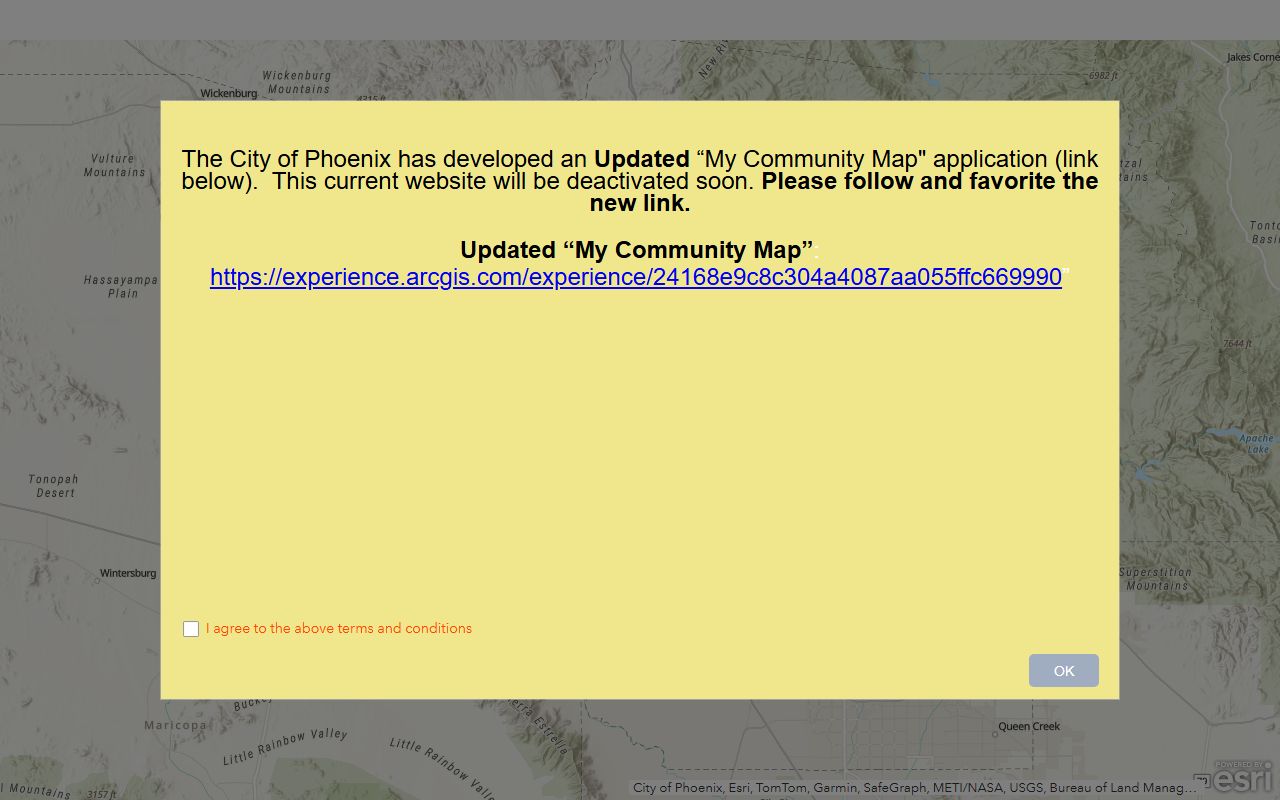
This GIS tool combines zoning data with aerial imagery. You can click any parcel to see its zoning district and basic property information. The map works on desktop and mobile devices.
How to Search Phoenix Property Records
Searching Phoenix property records involves both county and city resources. Start with the Maricopa County Recorder for ownership documents. Move to Phoenix city systems for permits and zoning.
At the county level, you can search by owner name, address, or legal description. The recorder's website shows document images for free after a simple search. If you need certified copies, you will pay the standard copy and certification fees. Most people can find what they need through the online search without visiting the office in person.
For tax information, the Maricopa County Assessor maintains property values and ownership details. Their parcel viewer shows assessed values, tax amounts, and property characteristics. Tax records help verify a property is current on payments before you buy.
The city's zoning map answers questions about permitted uses. Can you build a guest house? Is home business allowed? These questions depend on zoning, not the deed. Checking zoning takes just a few minutes with the online map. For complex questions, contact the Phoenix Planning Department directly.
Types of Phoenix Property Documents
Several document types make up Phoenix property records at the county level. Each serves a different purpose in establishing property rights and encumbrances.
Warranty deeds transfer ownership from seller to buyer. They include guarantees that the seller owns the property free of undisclosed claims. Most home sales in Phoenix use warranty deeds. The deed shows the date of transfer, the parties involved, the legal description, and often the sale price. Arizona law under A.R.S. 33-401 requires deeds to be signed by the grantor and properly acknowledged before a notary.
Deeds of trust secure mortgage loans on Phoenix properties. When you borrow money to buy a house, the lender records a deed of trust against the property. This gives the lender rights to foreclose if you stop making payments. Once the loan is paid off, the lender records a release or reconveyance to clear the lien.
Other common documents include:
- Quit claim deeds for transfers without ownership guarantees
- Liens from contractors, HOAs, or tax authorities
- Easements granting rights to use part of the property
- Affidavits clarifying ownership or correcting errors
- Notices of default in foreclosure proceedings
Each recorded document receives a recording number and date stamp. This creates a public record that anyone can search. Under A.R.S. 33-416, a properly recorded document provides notice to all persons of its existence.
Property Values in Phoenix
The Maricopa County Assessor sets property values for Phoenix homes and commercial buildings each year. Eddie Cook currently serves as assessor. The assessor's office handles over 1.8 million parcels countywide with a combined value above $1 trillion. Phoenix properties make up a large portion of this total.
Assessed values determine your property tax bill. Arizona uses a system with two value types. Full cash value reflects market value. Limited property value is used to calculate taxes and has caps on annual increases. The assessor mails notices each year showing your property's values. If you disagree with the assessment, you can appeal within 60 days using state forms.
You can look up any Phoenix property's assessed value through the county assessor website. The search shows ownership name, parcel number, property description, and tax values. Historical sales data sometimes appears as well. This information helps buyers understand whether an asking price is reasonable compared to assessed value.
Nearby Arizona Cities
Phoenix borders several other large cities that also file property records through the Maricopa County Recorder. If your property search involves addresses near city boundaries, make sure you are looking in the right jurisdiction for permits and zoning even though all recording goes through the same county office.
Cities near Phoenix include Scottsdale to the east, Glendale to the west, Tempe to the southeast, and Peoria to the northwest. Mesa, Chandler, and Gilbert lie to the east and southeast in the valley. Each city has its own planning department but shares the county recorder for property documents.
Properties in the far north of Phoenix may be close to Yavapai County. Always verify which county a property sits in before searching records. County boundary searches can be done through the assessor's parcel viewer.